

Bro. Derrick Johnson, the NAACP, and the Fight Over Who Pays for the Future of AI
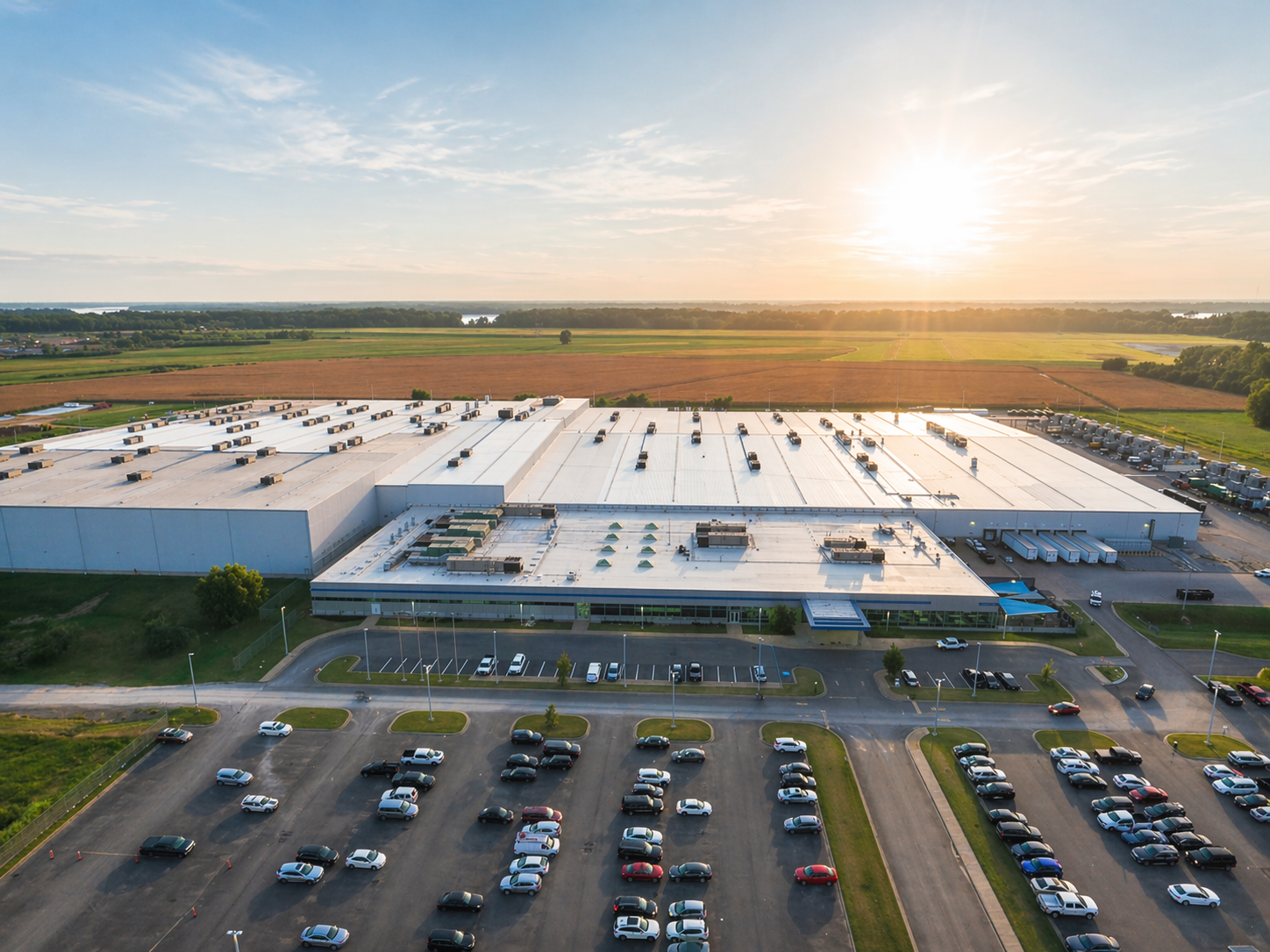
The turbines announce themselves before they are seen.
They rise behind the tree line like an industrial chorus, each one the length of a city bus, humming with a force that does not ask permission. The air carries a low vibration, part engine, part warning. In the distance, the glow of a data center pulses against the Mississippi night. And just beyond its perimeter, residents listen.
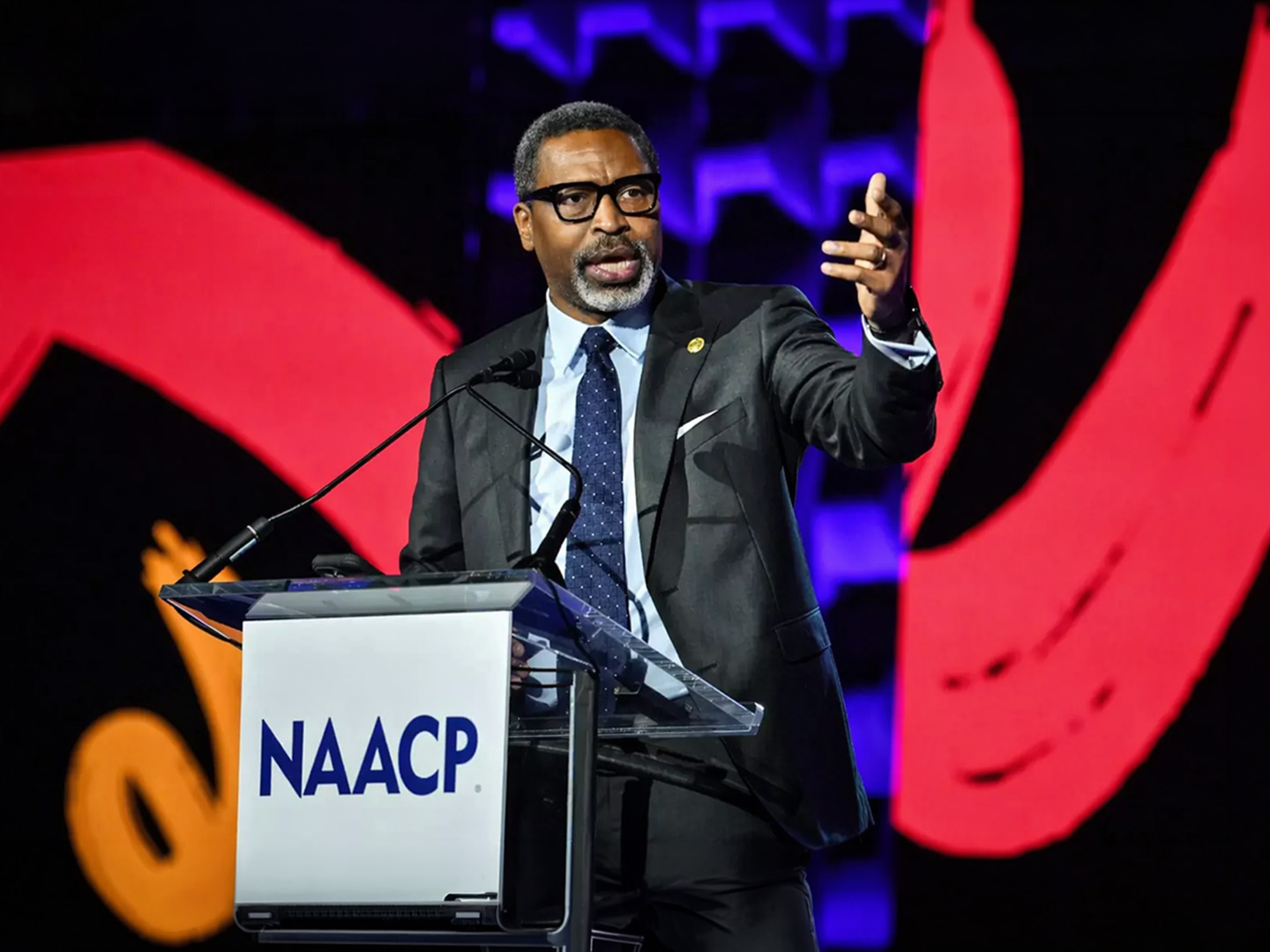
Within days, the moment would escalate beyond a local disturbance. Under the leadership of Bro. Derrick Johnson, the NAACP moved decisively, filing a federal lawsuit that reframed what was happening here not as development, but as a civil rights issue unfolding in real time.
At the center stands Elon Musk, whose company xAI is racing to dominate the infrastructure behind artificial intelligence. In Memphis, TN and Southaven MS; that ambition has taken physical form in a facility called Colossus, built in just 122 days. Speed, for Musk, is not a metric. It is a strategy.
But speed, in this case, has consequences.
To power its systems, xAI deployed 27 methane gas turbines, each capable of feeding into a combined output nearing 495 megawatts. Enough to power a small city. Enough to emit an estimated 1,700 tons of nitrogen oxides annually, along with hundreds of tons of particulate matter and carbon monoxide, and measurable levels of carcinogenic formaldehyde.
Enough to change the air.
Residents in nearby communities, including the historic neighborhood of Boxtown, experience those numbers not as statistics, but as breath. As tightening lungs. As a continuation of patterns they recognize all too well.
“Living in this ZIP code has been a death sentence for Black Memphians,”
said LaTricea Adams, founder of Young, Gifted & Green.
The pattern, critics argue, is not new. It is updated.
“xAI is following a shameful, familiar pattern: asking Black and frontline communities to bear the toxic brunt of ‘innovation,’” said Abre’ Conner of the NAACP.
The lawsuit filed by the NAACP, alongside the Southern Environmental Law Center and Earthjustice, centers on a critical question. Are these turbines operating legally, or has a temporary exemption been stretched into something permanent?
xAI insists it is compliant.
“The temporary power generation units are operating in compliance with all applicable laws,” the company said, citing a 364-day exemption that allows operation without full permitting.
To its critics, that explanation reveals the strategy. Not outright violation, but precise navigation of regulatory gray space.
Beyond air, the facility draws approximately 350,000 gallons of fresh water daily from the Memphis Sand aquifer. Promised mitigation efforts, including a recycling facility, have been delayed. For residents, the concern is cumulative.
A turbine here. A delay there. A permit approved for 41 permanent turbines across the state line in Southaven. Each decision appears procedural. Together, they form a system.
Yet the project arrives with undeniable economic weight. Billions in investment, hundreds of jobs, and projections of $100 million in tax revenue by 2027. A portion of that revenue is mandated to return to nearby neighborhoods.
Memphis Mayor Paul Young frames it as necessary progress.
“This isn’t a debate between the environment and economics,” he said. “It’s about putting people before politics.”
But for many residents, the framing feels incomplete.
Boxtown was founded in the 1860s by formerly enslaved people who built homes from discarded railroad boxcars, creating stability where none was offered. That history is not distant. It lives in the ground beneath the turbines.
Which is why Colossus does not feel like a beginning. It feels like a continuation.
For Musk, the vision is clear. Build faster. Scale bigger. Win the future. But in Memphis, that vision collides with a different reality, one where progress is measured not in processing power, but in health, trust, and survival.
What is unfolding is more than a dispute over permits. It is a test of whether innovation can exist without repeating the inequities that have long defined where burdens are placed and who is expected to carry them.
The courts will decide legality. Regulators will debate compliance. But the deeper question will not be resolved in filings or rulings.
It will be answered in the air, in the water, and in the lives shaped by both.
Because the future, no matter how advanced, is never just built.
It is always placed.